

Diterbitkan · Terakhir diperbarui
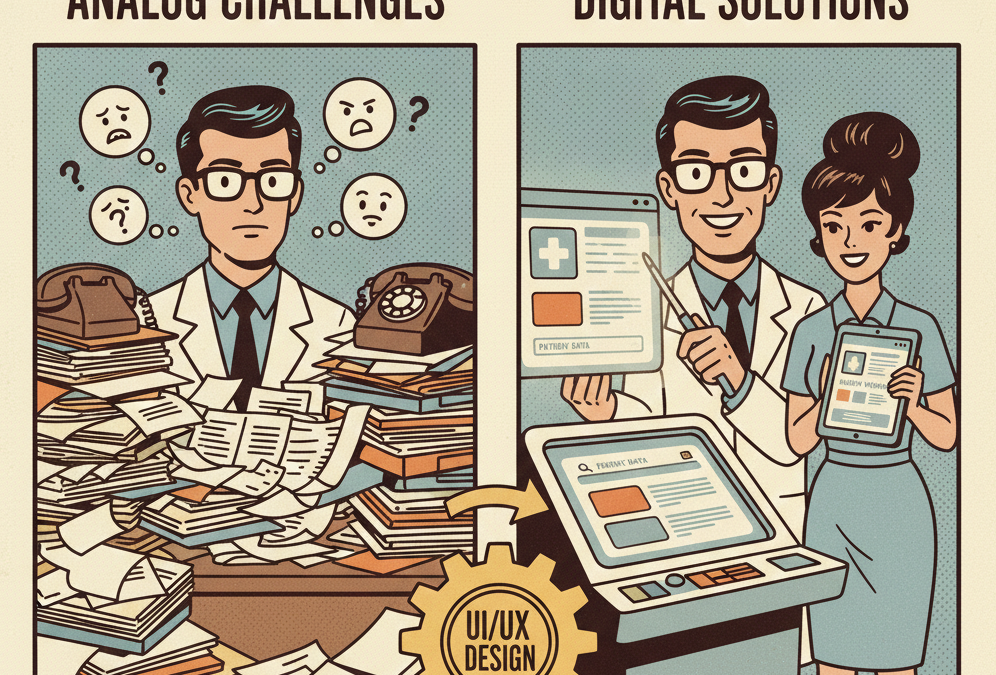
In the Industry 4.0 era, there is a common misconception that digitizing healthcare is as simple as launching a mobile app. However, as a practicing clinician and medical lecturer, I have observed that the true challenge runs much deeper than a “pretty interface”.
Designing the “Digital Patient Magnet”
In my upcoming book, Mendesain Magnet Digital Pasien, I emphasize that health technology must pivot around two core poles: clinical efficiency and patient convenience.
The critical issue we face today is fragmented data. Patients are often forced to repeat their medical history from scratch every time they switch services because our systems simply don’t “talk” to each other. This isn’t just an administrative hurdle; it’s a barrier to quality care.
The Physician as an Architect
Doctors can no longer afford to be passive end-users. We must step up as active designers of the solutions we use.
This conviction is exactly why I’ve immersed myself in UI/UX research design and app development. Whether it’s an Allergy Symptom Tracker for outpatients or the iTalk communication tool for non-verbal ICU patients, these digital solutions must be born from real-world clinical needs in the wards and clinics, not just from a developer’s office.
The Future: Clinical Decision Support
Looking ahead, our goal is to build systems that provide robust decision support for clinicians. Well-organized, interoperable data will serve as the essential foundation for future technologies, including AI, to help us deliver more precise, personalized, and human-centered care for every patient.
Ditulis & ditinjau oleh dr. Yanuar Iman Santosa, Sp.T.H.T.B.K.L., Subsp.A.I. (K), M.Si.Med.
Dokter Spesialis THT (Telinga Hidung Tenggorok) & Konsultan Alergi-Imunologi · Semarang
Praktik di RS Columbia Asia Semarang dan RS Nasional Diponegoro, menangani keluhan THT umum hingga kasus alergi kompleks yang memerlukan penanganan subspesialis Konsultan Alergi-Imunologi.
Lihat profil lengkap & jadwal praktik dokter THT Semarang →